

Key Takeaways
- Most standard plastic chairs lack proper ergonomic features, such as lumbar support and cushioning, potentially leading to poor posture and back pain during prolonged use.
- Plastic chairs are popular in UK hospitality and public spaces for their durability, affordability, and ease of cleaning, but they prioritise function over spinal health.
- Extended sitting in plastic chairs can cause muscle fatigue, stiffness, and increase the risk of chronic lower back pain, especially where there are no supportive design elements.
- Compared to ergonomic office chairs, plastic models seldom offer adjustments for improved back support, making ergonomic accessories or breaks every hour essential for better comfort.
- To minimise back strain, choose plastic chairs with integrated lumbar contours, use external cushions, and encourage regular movement or standing breaks.
- When continuous sitting is necessary, selecting ergonomic plastic models or supplementing with lumbar support helps preserve posture and reduce discomfort.
Plastic chairs are ubiquitous across waiting rooms, classrooms, and outdoor spaces throughout the UK, prized for their affordability and convenience. However, as people spend increasing hours seated for both work and leisure, the impact of these simple seats on posture and spinal health deserves closer examination. With back pain becoming increasingly prevalent, understanding whether standard plastic seating provides adequate support is more critical than ever.
For those seeking ergonomic plastic seating options that balance durability with better back support, explore the range available at Cafe Solutions where commercial-grade models with improved design features can help minimize discomfort and potential postural issues.
Understanding Plastic Chairs: Design and Common Uses
Plastic chairs feature single-mould or assembled polypropylene frames, stackable construction, and smooth surfaces. Lightweight bodies allow for easy movement across indoor and outdoor dining spaces, especially cafes, quick-service venues, and function halls in Queensland. Cafe Solutions stocks options that support seating for outdoor courtyards, indoor dining floors, and covered verandas.
Simple shapes suit contemporary and casual hospitality settings, where service areas need chairs that withstand frequent relocation and cleaning. Weather-resistant resins let operators wash and sanitise seats after spills or between shifts. Weight loads typically range from 110 kg to 150 kg per chair, with seat heights kept between 430 mm and 460 mm for standard comfort. Seats without contoured backs or lumbar adjustments, commonly found in budget plastic models, address short-stay use cases such as coffee stops or food courts.
Group purchases through wholesalers like Cafe Solutions in Queensland let operators outfit cafes, event spaces, and staff break rooms cost-effectively with durable, easy-to-maintain seating. Injected plastic bodies come in colours to match brand styling and can be paired with matching plastic or timber tables for a unified cafe fit-out.
The Impact of Plastic Chairs on Back Health
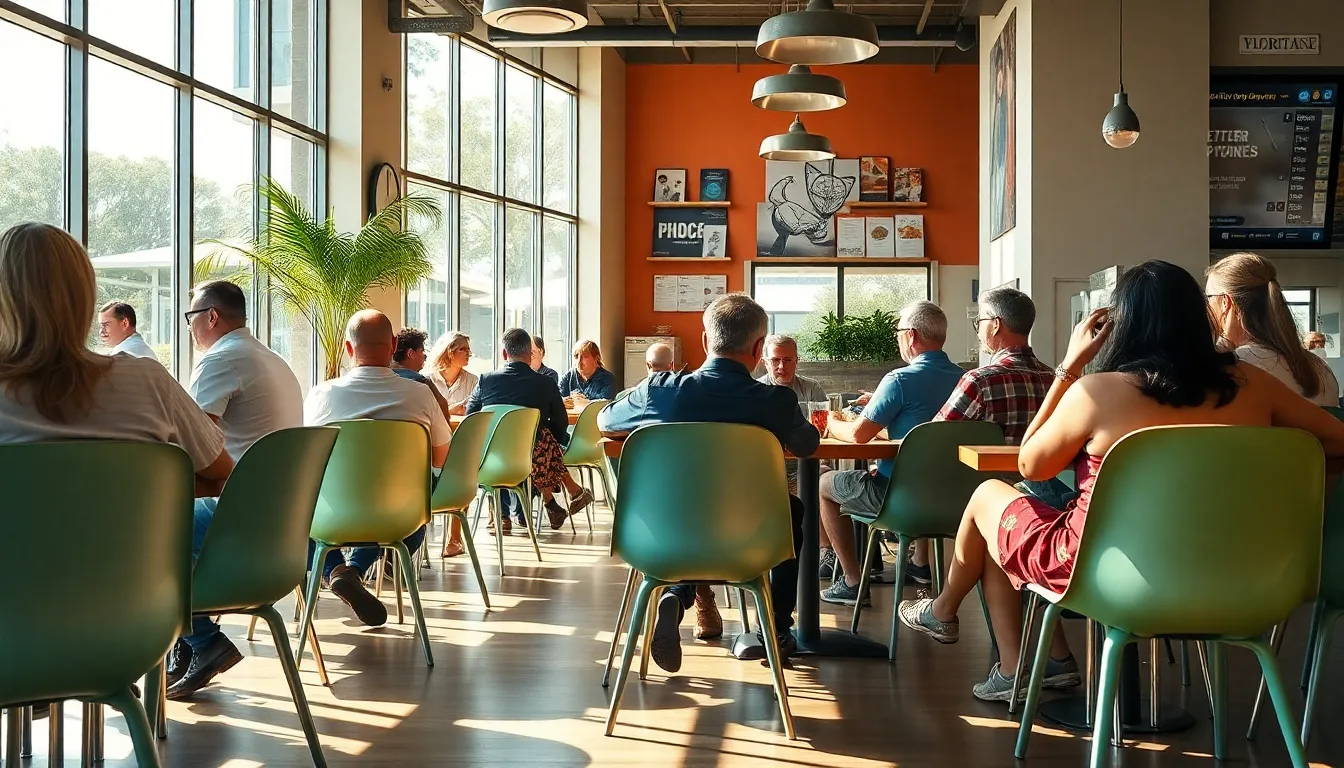
Plastic chairs, widely used in Queensland’s hospitality venues supplied by Cafe Solutions, don’t typically offer good back support during long periods of sitting. Most commercial plastic models prioritise durability and easy cleaning over ergonomic features, so business owners commonly ask about their effects on back health.
Ergonomic Features and Support
Standard plastic chairs in commercial settings often lack adjustable seat height, integrated lumbar support and adequate cushioning. Models without these features direct pressure onto the ischial tuberosities and pelvis, which increases discomfort and stiffness after prolonged use. Research published by O’Sullivan et al. (2012) and other sources confirms that unsupportive seating gradually increases muscle fatigue, particularly in sedentary staff or customers. Cafe Solutions’ plastic ranges generally prioritise stackability and hygiene over ergonomic improvement, meaning extra cushions or back supports often become necessary for operators concerned about user comfort or musculoskeletal risks.
Common Posture Issues
Users of plastic hospitality chairs frequently compensate for poor back support by adopting forward neck bending and a slouched position. Evidence from clinical studies links these postures with lumbar spinal compression and reduced muscle blood flow. Extended periods seated in plastic chairs can prompt chronic lower back pain and aggravate existing postural issues, especially for staff spending long shifts in static seating. While functional and convenient for frequent cleaning in Queensland cafes, rigid plastic designs rarely address posture alignment, making it advisable to supplement them with ergonomic accessories where possible.
Comparing Plastic Chairs to Other Seating Options
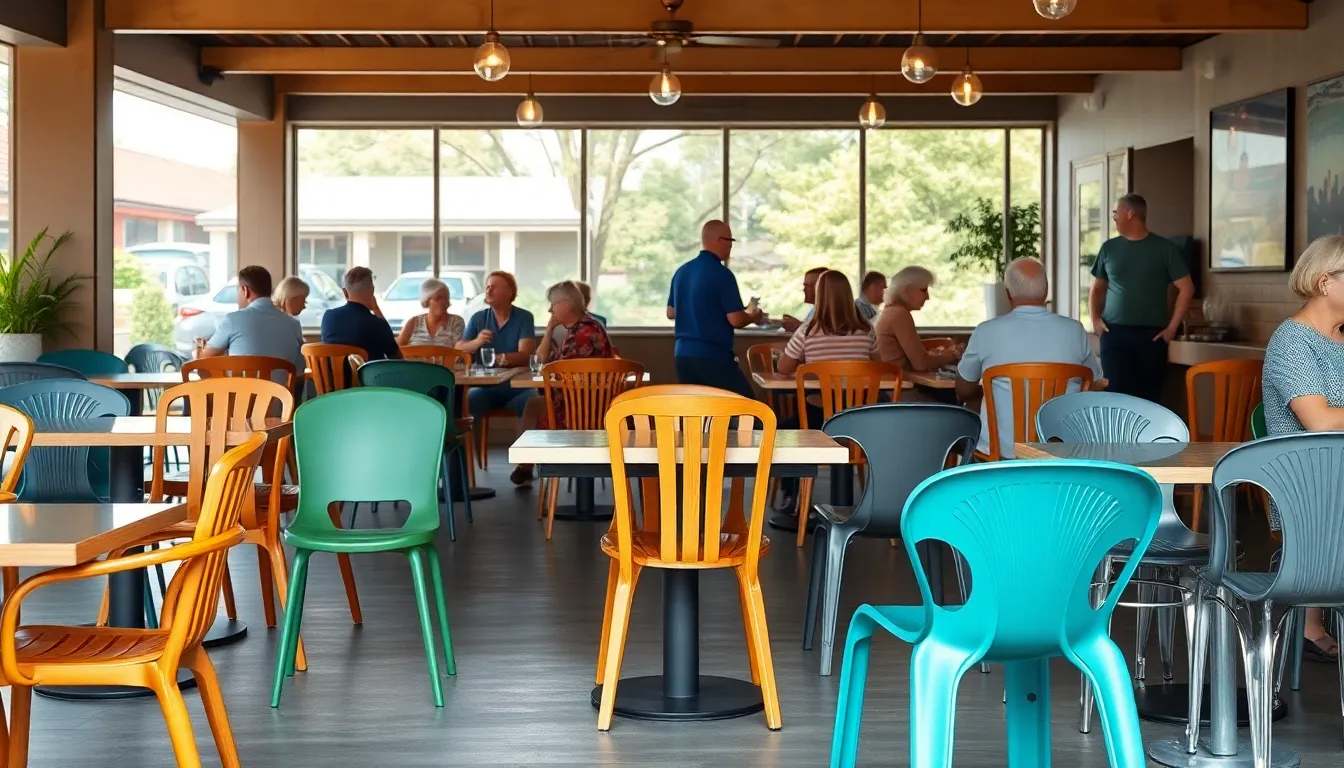
Plastic chairs, often used across Queensland cafés for their durability and cost efficiency, usually lack ergonomic support. Their design prioritises cleaning ease and lightweight handling over spinal alignment. Business owners sourcing from suppliers like Cafe Solutions frequently weigh seat options for both comfort and function in busy hospitality spaces.
Wooden and Metal Chairs
Wooden and metal chairs in commercial settings offer strong build quality and classic designs, but fewer include ergonomic features such as contoured seats or lumbar support. Hard seat surfaces, seen in stackable metal café chairs, can increase ischial pressure during long service periods. Operators aiming for upscale aesthetics sometimes choose wooden dining chairs, yet most commercial models prioritise resilience over customisation for spine health. Like plastic chairs, these seating options typically lack adjustments, so users experience similar risks of back discomfort and muscle fatigue during busy trading days.
Ergonomic Office Chairs
Ergonomic office chairs, when used in hospitality fit-outs, deliver adjustable lumbar support, seat height, and back tilt. These elements address posture and reduce lower back pain, especially for staff completing administrative duties. However, evidence supporting pain reduction remains weak according to research trials. Unlike standard plastic chairs from Cafe Solutions, these chairs require correct adjustment for benefits. Ergonomic models cost more and need careful matching to user size, making them rare as dining seating in high-turnover venues. In most café environments, plastic and metal chairs outnumber ergonomic types due to lower upfront costs and durability demands.
Tips for Improving Back Support with Plastic Chairs
Select plastic chairs designed with integrated lumbar contours to encourage proper alignment of the lower back, with brands like Cafe Solutions offering ergonomic variants in Queensland for high-turnover venues. Add a lumbar support cushion to chairs with flat backs for improved spinal comfort; studies confirm that extra lumbar support helps maintain natural back curvature and reduces fatigue. Adjust chair positioning so both feet rest flat on the floor or a stable footrest, ensuring knees remain at or just below hip level, as this reduces strain on the lumbar region. Instruct staff to take standing breaks every 30–60 minutes to limit muscular stiffness linked to prolonged sitting, which is common in hospitality settings.
Cafe Solutions supplies plastic chair models with contoured backs and stackable construction, addressing demands for durability and user comfort in cafes and restaurants. Commercial operators often add removable seat pads or ergonomic inserts for extra support during longer periods of use. For best results, match the chair height to table height, allowing a gap of about 25–30 cm between seat and tabletop for optimal posture. If purchasing in bulk, ask suppliers for models featuring integrated lumbar support or compatible with portable ergonomic accessories to meet Australian hospitality needs.
Should You Use Plastic Chairs for Long-Term Sitting?
Plastic chairs lack key ergonomic features that support the spine during long-term sitting. Hard, flat seats increase pressure on the ischial tuberosities and pelvic muscles, often causing stiffness or pain after one hour. Most budget models, found in Queensland hospitality venues, omit lumbar support and adjustable seat height, leading to poor posture in staff and customers. Data shows non-ergonomic seating, such as standard plastic chairs, links directly to lower back pain and musculoskeletal discomfort in people who sit for extended periods.
Commercial settings prioritise durability and simple maintenance, making plastic chairs popular with Queensland venues and suppliers like Cafe Solutions. However, these models rarely provide the contoured backs or cushioning designed to reduce spinal misalignment. Office and school studies further indicate a higher incidence of back pain when plastic chairs are used for multiple sittings in a day.
When operators choose plastic chairs for budget or operational reasons, expert recommendations include limiting continuous sitting to under 60 minutes and using seat cushions or lumbar rolls to compensate for the lack of native support. Cafe Solutions offers ergonomic models with integrated lumbar contours, which reduce strain compared to flat-backed or low-cost alternatives. Outfitting dining areas with adjustable or cushioned plastic chairs, either from Café Solutions’ product range or via ergonomic accessories, increases comfort while meeting durability and hygiene needs.
About Cafe Solutions
Cafe Solutions is a leading provider of high-quality café and restaurant furniture, based in Brendale, QLD. The company offers a wide selection of furniture including chairs, tables, bar stools, benches, and sinks, designed to suit both indoor and outdoor settings. Under the guidance of spokesperson Russell Crawford, Cafe Solutions ensures fast and reliable shipping across Australia, delivering prompt and efficient service to locations nationwide. Their mission is to supply businesses with durable and stylish furniture that enhances the dining experience.
Contact:
Russell Crawford, Spokesperson
Phone: (07) 3184 8441
Email: [email protected]
Address: 12 Kingsbury St, Brendale QLD 4500
Website: www.cafesolutions.com.au
Frequently Asked Questions
Are plastic chairs good for back health?
Standard plastic chairs usually do not provide adequate support for back health. Most lack lumbar support and cushioning, leading to discomfort and poor posture during extended use. For better back support, consider models with ergonomic features or supplement chairs with lumbar cushions.
Can you sit on plastic chairs for long periods?
Sitting on plastic chairs for long periods is not recommended, especially with basic models. Without proper support, users may experience discomfort and increased risk of back pain. For longer sitting, choose ergonomic chairs or use seat cushions to improve comfort.
Why are plastic chairs popular in hospitality venues?
Plastic chairs are lightweight, easy to move, stackable, and simple to clean. Their affordability and durability make them a cost-effective option for cafes and restaurants, especially in high-turnover environments. Their weather-resistant materials are also suitable for indoor and outdoor use.
How can I make a plastic chair more comfortable?
You can improve comfort by adding seat cushions or lumbar support rolls. Choose chairs with built-in ergonomic features if available. Adjust seating position and table height to promote good posture, and take regular breaks if sitting for extended periods.
Do plastic chairs have weight and height limits?
Yes, most commercial plastic chairs have recommended weight capacities, often around 100–150 kg. Standard seat heights are designed for typical dining tables, but always check manufacturer specifications if your needs vary.
How do plastic chairs compare to metal or wooden chairs?
While wooden and metal chairs are durable and offer classic designs, they generally lack ergonomic features like lumbar support. Like plastic chairs, they can cause discomfort with prolonged sitting unless accessorised with cushions or support rolls.
Are there ergonomic plastic chairs available for cafes?
Yes, some suppliers like Cafe Solutions offer ergonomic plastic chairs with lumbar contours and supportive design elements. These models are better suited for comfort, especially in commercial settings with prolonged or repeated use.
Can plastic chairs be easily customised for a business?
Many commercial plastic chairs can be customised in terms of colour and style to match brand aesthetics. Bulk purchases through wholesalers can further increase options and cost savings for hospitality businesses.
How can I prevent back pain when using plastic chairs at work?
To prevent back pain, use plastic chairs with lumbar support or add an ergonomic cushion. Ensure your feet are flat on the floor and your knees are level with your hips. Take regular standing breaks to reduce muscle fatigue and improve posture.
Are plastic chairs easy to sanitise?
Yes, plastic chairs are very easy to clean and sanitise due to their smooth, non-porous surfaces. This makes them ideal for cafes, restaurants, and other settings where hygiene is a priority.
