
The Hidden Cost of Compromised Filtration
In industrial and commercial operations, filtration is often treated as an afterthought — a utility expense rather than a strategic asset. Yet the quality of your filtration system directly impacts equipment longevity, product consistency, and regulatory compliance. A desalination plant that uses a 316L 7-cartridge stainless steel filter housing achieves 24-hour uptime with 99.9% rejection, while a plant using plastic housings may face weekly shutdowns from cracking. The reality is that filtration touches nearly every stage of production, from raw material intake to final discharge. When filtration fails, the ripple effects are felt across the entire operation.
The choice of filter housing is especially consequential. A housing that cannot withstand process pressures, temperature fluctuations, or corrosive media becomes a liability. It leaks, it ruptures, it harbours bacteria. Over time, these failures compound into significant financial losses. Investing in robust filtration infrastructure is not an expense — it is a hedge against operational risk. For a detailed overview of available configurations, see our [stainless steel filter housing product page].
Why Material Selection Defines Long-Term Value
Not all filter housings are built alike. The material from which a housing is fabricated determines its service life, maintenance frequency, and suitability for different applications. Plastic housings, while inexpensive upfront, degrade under UV exposure, crack under thermal stress, and cannot handle high pressures. Carbon steel housings offer greater strength but are vulnerable to rust and chemical attack, requiring frequent recoating or replacement in aggressive environments.
This is where stainless steel filter housing becomes the clear choice for businesses that prioritise durability and total cost of ownership. Stainless steel offers an exceptional combination of corrosion resistance, mechanical strength, and hygienic surface finish. It withstands repeated cleaning cycles, resists chemical degradation, and maintains structural integrity across a wide temperature range. For industries such as food and beverage, pharmaceuticals, petrochemicals, and water treatment, these properties are non-negotiable.
Matching Grade to Application
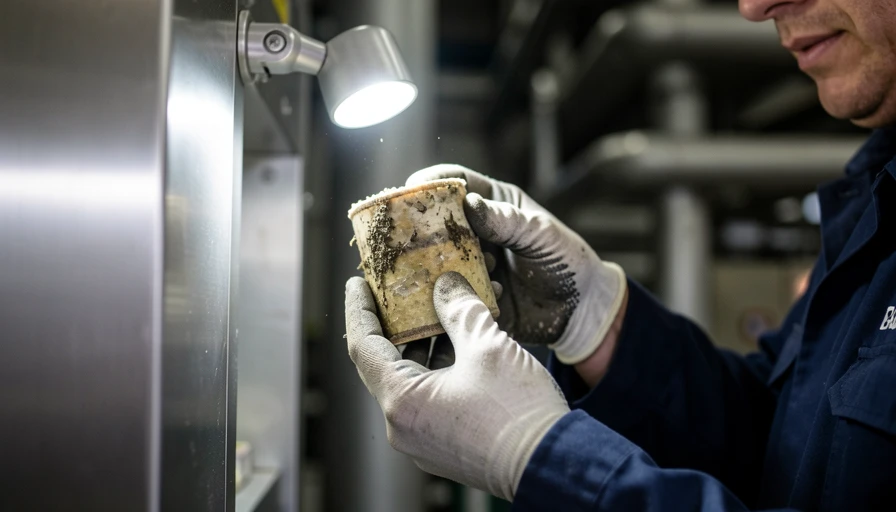
Within the stainless steel family, grade selection matters. 304 stainless steel is well-suited for general industrial water filtration and mild chemical exposure. For seawater, brine, or highly corrosive chemicals, 316L stainless steel provides superior resistance to pitting and crevice corrosion. A reputable supplier will help you match the housing grade to your specific process conditions, ensuring that you are not over-specifying for a benign application or under-specifying for a demanding one.
Technical Specifications: Multi-Cartridge Configurations and Flow Rates
Stainless steel filter housings are available in a wide range of sizes and configurations to meet varying flow demands. Multi-cartridge designs allow for higher throughput while maintaining the same filtration efficiency. Standard filter lengths include 5-inch, 10-inch, and 20-inch cartridges, with custom lengths available. The number of cartridges per housing can range from a single element to dozens, depending on the required flow rate.
For high-flow commercial applications, specific GPM data points are critical. For example, a Model X housing with 4 20-inch cartridges delivers 120 GPM at 10-micron filtration. A 7-cartridge housing with 20-inch elements can achieve 210 GPM, suitable for municipal water treatment or large-scale industrial processes. The following table compares common housing sizes with their maximum flow rates and cartridge capacities.
| Housing Size | Cartridge Length | Number of Cartridges | Max Flow Rate (GPM) | |————–|——————|———————-|———————| | Small | 5-inch | 1 | 10 | | Medium | 10-inch | 3 | 45 | | Large | 20-inch | 4 | 120 | | Extra-Large | 20-inch | 7 | 210 | | High-Capacity| 20-inch | 12 | 360 |
These values are based on standard operating conditions at 5-micron nominal rating. Actual flow rates will vary with micron rating, fluid viscosity, and allowable pressure drop. Always consult application engineering to size the housing correctly for your process.
Operational Benefits That Show on the Bottom Line
Switching to stainless steel filter housing delivers tangible operational advantages that directly affect profitability. First, the extended service life means fewer replacement cycles. While a plastic or carbon steel housing might need replacement every two to three years, a well-maintained stainless steel unit can serve reliably for a decade or more. This dramatically reduces capital expenditure over the equipment's lifecycle.
Second, stainless steel housings simplify maintenance. Their smooth, non-porous surfaces resist scale build-up and are easy to clean, reducing labour time during element changes. Many designs feature quick-opening closures, swing bolts, and lifting handles that allow a single operator to service the unit without specialised tools. Less downtime during filter changes translates directly into higher production throughput.
Third, the mechanical robustness of stainless steel eliminates the risk of catastrophic failure under pressure. For processes that operate above 10 bar or involve thermal cycling, this reliability is essential. Businesses avoid the costs associated with emergency shutdowns, product loss, and safety incidents.
A single unplanned filtration failure can cost more in lost production than the entire housing installation.
Cleanable Stainless Steel Elements vs. Disposable String-Wound
A key decision in filtration system design is the choice between cleanable stainless steel filter elements and disposable string-wound cartridges. Cleanable elements, typically made from sintered stainless steel mesh or pleated metal, can be backwashed or chemically cleaned multiple times, lasting years. Disposable string-wound (or melt-blown) cartridges must be replaced after each use, generating ongoing consumable costs. For more details on reusable options, visit our [cleanable filter elements page].
A lifecycle cost comparison for a typical 10-inch housing shows: a disposable string-wound cartridge costs $5–$10 each and must be replaced every 2–4 weeks, depending on dirt load. Over five years, that adds up to $1,300–$2,600 per housing. A cleanable stainless steel element costs $150–$300 initially but can be reused for 3–5 years with proper cleaning, reducing consumable costs to nearly zero. Even accounting for cleaning chemicals and labour, the cleanable option saves more than 50% over the same period. For high-flow multi-cartridge housings, the savings multiply. Industries that require sterile or high-purity filtration (e.g., pharmaceuticals, food and beverage) often prefer cleanable elements because they eliminate the risk of media migration and fibre shedding associated with string-wound cartridges.
Selecting a Partner, Not Just a Product
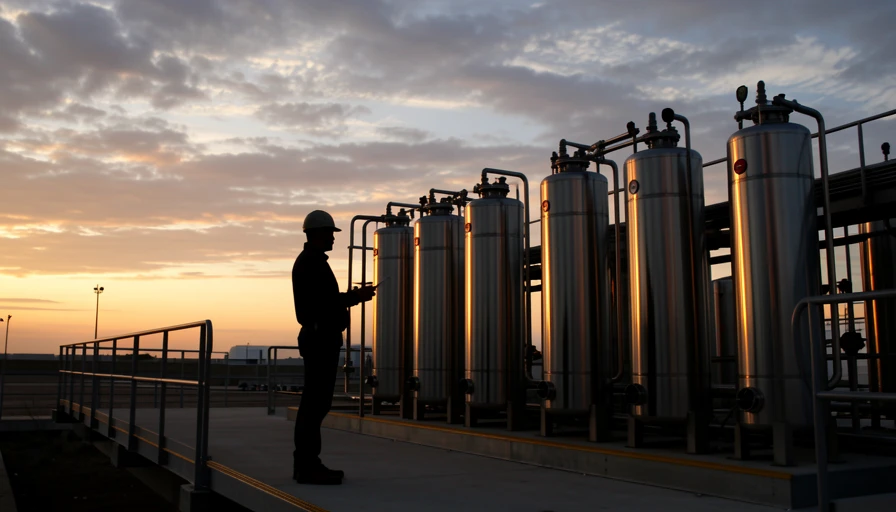
The market offers dozens of stainless steel filter housing options, but not all manufacturers deliver the same quality. When evaluating suppliers, look beyond the catalogue specifications. Ask about wall thickness, weld quality, surface finish, and pressure testing protocols. A housing that meets ASME or PED certification standards provides documented assurance of performance. AMI (American Membrane Institute) standards for cleanable metal construction also provide a benchmark for durability and cleanability.
Equally important is the supplier's ability to support your business over the long term. Do they carry replacement parts in stock? Can they provide custom configurations, such as multi-cartridge arrays, duplex systems, or specialised connections? Do they offer application engineering support to help you select the right micron rating, flow rate, and sealing material for your process?
A partner like Pullner Filter, based in Dubai's Jebel Ali Free Zone, brings both manufacturing expertise and regional logistics advantages. Their stainless steel filter housings are engineered for the demanding conditions of Middle Eastern industries — high ambient temperatures, variable water quality, and rigorous hygiene standards. By choosing a supplier that understands your operating environment, you reduce the risk of mismatched specifications and delayed deliveries.
Future-Proofing Your Filtration Strategy
Business conditions change. Production volumes increase, regulatory standards tighten, and raw material sources shift. A filtration system that meets today's requirements may fall short tomorrow. Stainless steel filter housing offers the flexibility to adapt. Its durability allows it to be relocated, repurposed, or upgraded with different filter elements as process demands evolve. For example, a plant using 5-inch cartridges now can later upgrade to 10-inch or 20-inch housings without replacing the entire system.
When you invest in quality filtration infrastructure, you are not merely buying hardware — you are buying operational resilience. The modest premium paid for stainless steel over alternative materials is recouped many times over through reduced downtime, lower maintenance, and extended equipment life. For any business that relies on clean fluids for its processes, the choice is clear: build your filtration foundation on stainless steel, and build it to last.
