

Precision manufacturing demands tight tolerances, repeatable results, and cost-effective production at scale. For engineers and procurement professionals sourcing complex turned components, the decision of where to manufacture can make or break a project. CNC turning services in China have evolved dramatically over the past decade, combining advanced machinery, skilled labor, and streamlined logistics to deliver parts that meet or exceed global quality standards. This article walks through the step-by-step process of how these services achieve exceptional precision, from material selection through final inspection, and why the model continues to gain traction across industries such as aerospace, automotive, medical devices, and industrial automation.
Step 1: Select the Right Material and Machine Configuration
Precision begins before any cutting tool touches the workpiece. A reputable CNC turning provider starts by matching material properties to the part’s functional requirements. Common materials include aluminum alloys (6061, 7075), stainless steel (303, 304, 316), brass, titanium, and engineering plastics like PEEK or Delrin. Each material behaves differently under cutting forces, thermal expansion, and chip formation.
The next decision is machine selection. Modern CNC lathes available in Chinese precision shops include multi-axis Swiss-type machines, live-tooling turning centers, and dual-spindle lathes with Y-axis capability. For complex geometries requiring milling, drilling, and threading in a single setup, a 7-axis or 9-axis machine reduces error stacking and cycle time. The key here is that the service provider evaluates the part drawing and selects the machine configuration that minimizes setups while maintaining the specified tolerances — often down to ±0.005 mm.
Step 2: Program the Toolpath with CAM Software
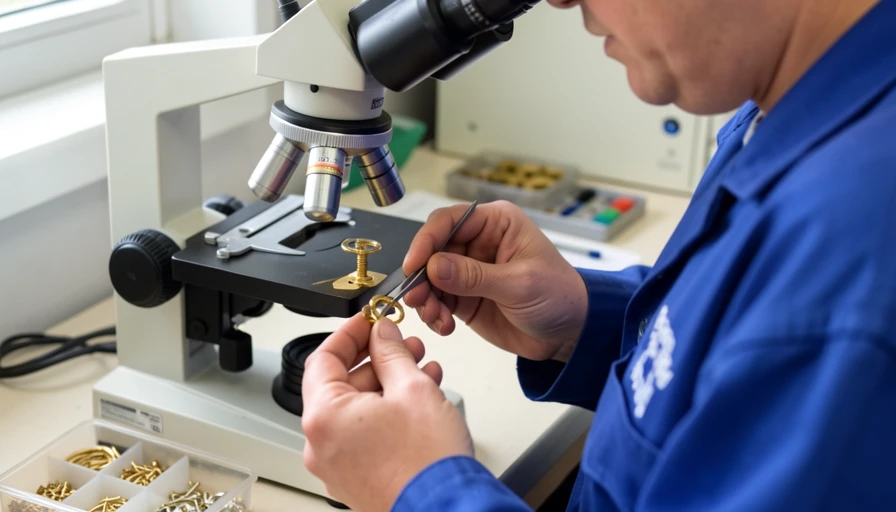
Once material and machine are chosen, the part geometry is translated into a machining program using CAD/CAM software. This step determines the actual precision of the finished component. Skilled programmers at leading Chinese CNC turning shops use software such as Mastercam, Siemens NX, or Fusion 360 to define roughing passes, finishing passes, and tool engagement strategies.
Critical programming decisions include:
-
Cutting speed, feed rate, and depth of cut optimized for the specific material
-
Toolpath strategies that minimize vibration and tool deflection
-
Inclusion of in-process probing routines to verify dimensions mid-cycle
-
Compensation for thermal growth during longer production runs
Well-programmed toolpaths reduce surface roughness (Ra values as low as 0.4 µm) and hold positional tolerances consistently across thousands of parts. This is where the expertise of the programming team directly translates into measurable quality.
Step 3: Execute Precision Machining with Rigorous Process Control
With the program loaded and the machine set up, production begins. What separates high-quality cnc turning services china from commodity machining is the discipline of process control during the run.
Operators and technicians monitor several parameters in real time: spindle load, coolant flow, chip evacuation, and tool wear. Many shops use automated tool presetters and tool-life management systems to replace inserts at optimal intervals before tolerances drift. First-article inspection is performed on the initial part — often using a coordinate measuring machine (CMM) — before the full batch is released.
In-process gauging stations may be integrated into the production line, allowing statistical process control (SPC) data to be collected at regular intervals. If the data shows a trend toward the upper or lower tolerance limit, the program or tooling is adjusted proactively. This closed-loop approach prevents scrap and ensures that every part in the batch matches the first article.
Step 4: Inspect and Validate with Advanced Metrology
Precision is only meaningful if it can be measured. After machining, parts undergo thorough inspection using equipment that is calibrated and traceable to international standards (ISO 17025). Typical inspection methods include:
-
CMM inspection for dimensional accuracy of critical features
-
Surface roughness testers for finish verification
-
Optical comparators and vision systems for thread forms and edge breaks
-
Hardness testers and material certification verification
A detailed inspection report is generated for each batch, often including actual measured values alongside the specified tolerances. For industries with strict regulatory requirements — such as medical implants or aerospace brackets — full traceability from raw material lot to final inspection record is maintained. This documentation gives buyers confidence that the parts will perform as designed.
Step 5: Package, Certify, and Ship with Full Traceability
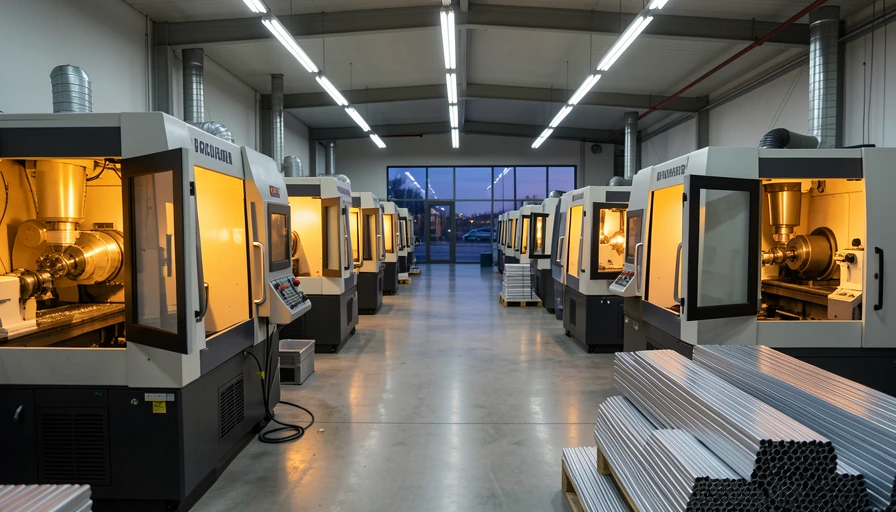
The final step in the process is preparing parts for delivery. Precision components are cleaned, deburred, and inspected for surface defects before packaging. Corrosion protection, individual bagging, foam inserts, and custom crating are applied based on the part sensitivity and destination.
Documentation packages typically include:
-
Certificate of conformance (CoC)
-
Material test reports (MTRs)
-
Dimensional inspection reports
-
Packing lists and shipping labels
Logistics from China to the United States have become increasingly reliable, with many CNC turning providers offering door-to-door service via air freight or sea freight. Lead times for precision turned parts can range from 2 to 6 weeks depending on complexity and quantity, making it a viable option even for time-sensitive projects.
About XTJ CNC
Business: XTJ CNC
Spokesperson: Hafiz Pan
Position: Director of Operations
Phone: +1 218 527 7419
Email: [email protected]
Location: 506 S Rangeline Rd, Carmel, IN 46032, USA
Website: http://xtjcnc.com
FAQ
What tolerances can CNC turning services in China achieve?
Reputable shops routinely hold tolerances of ±0.005 mm (0.0002 inches) for diameters and ±0.01 mm for positional features. With Swiss-type machines and skilled programming, tolerances as tight as ±0.002 mm are achievable for specific features.
How do I verify the quality of a CNC turning supplier in China?
Request a first-article inspection report, review ISO 9001 or AS9100 certifications, and ask for customer references. Many providers also offer video inspection or live-streamed production walkthroughs for remote quality assurance.
Is it cost-effective to use CNC turning services in China for low-volume runs?
Yes, but the cost benefit increases with volume. For prototype runs of 10–50 parts, pricing is competitive. For production runs of 500+ parts, the savings in labor and overhead become significant compared to domestic machining.
What materials are commonly available?
Aluminum, steel, stainless steel, brass, copper, titanium, and a wide range of engineering plastics. Most Chinese suppliers can source specialty alloys with proper material certifications upon request.
How long does shipping take from China to the United States?
Air freight typically takes 3–7 business days. Sea freight takes 20–35 days depending on the port of entry. Many suppliers factor shipping into the overall lead time and can expedite for urgent orders.
